
Italian animation
AnimeBlkom: Italian animation from Bruno Bozzetto and La Linea to Winx Club, and where to watch it
186 films and series from Italy, from the 1936 Pinocchio and the 1949 pioneers to Bruno Bozzetto, La Linea, Luzzati and Gianini, Enzo D'Alò, Winx Club, Huntik and the short films of today. Search a title and press Watch now.
Featured titles
More
Type a series and an episode, such as Lupo Alberto S2E3
Latest episodes
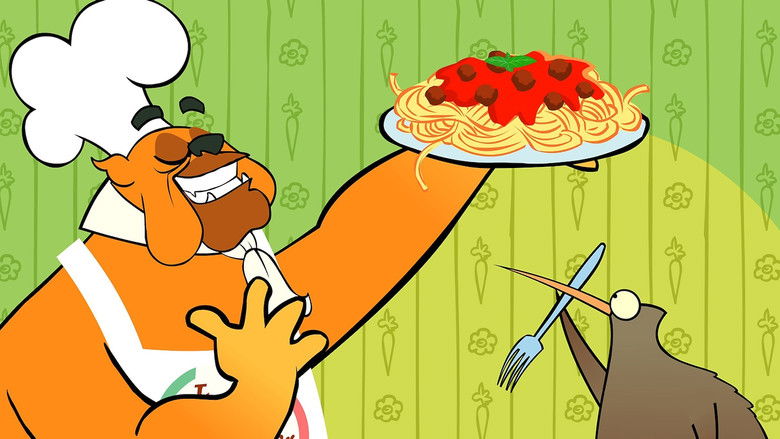 22LatestLe ricette di Arturo & KiwiEpisode : 22
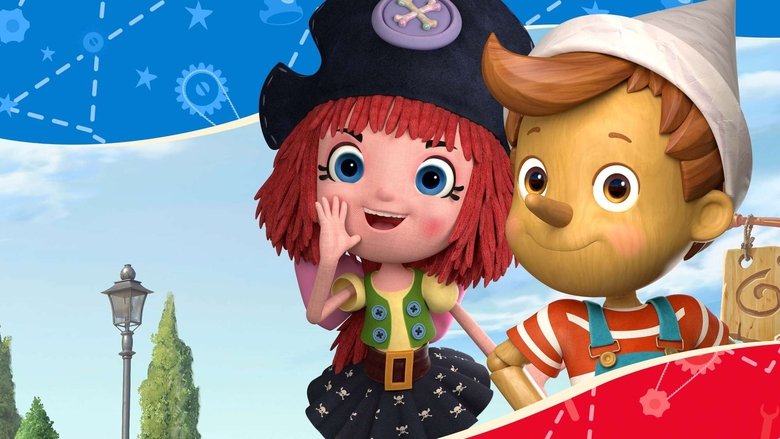 1LatestPinocchio and FriendsEpisode : 1
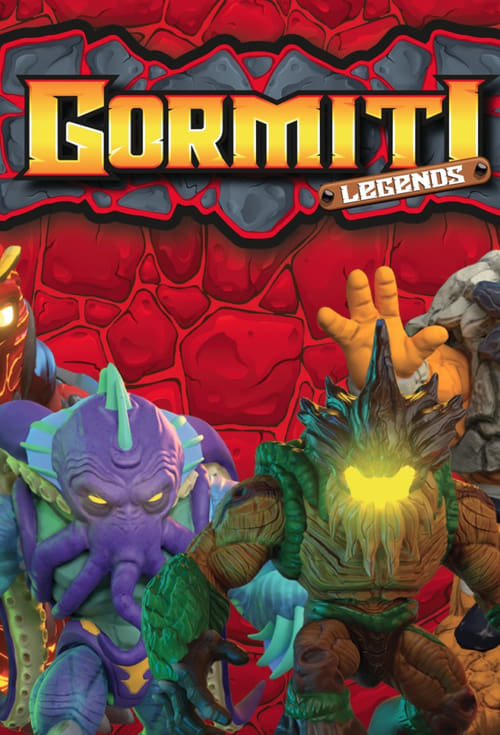 10LatestGormiti LegendsEpisode : 10
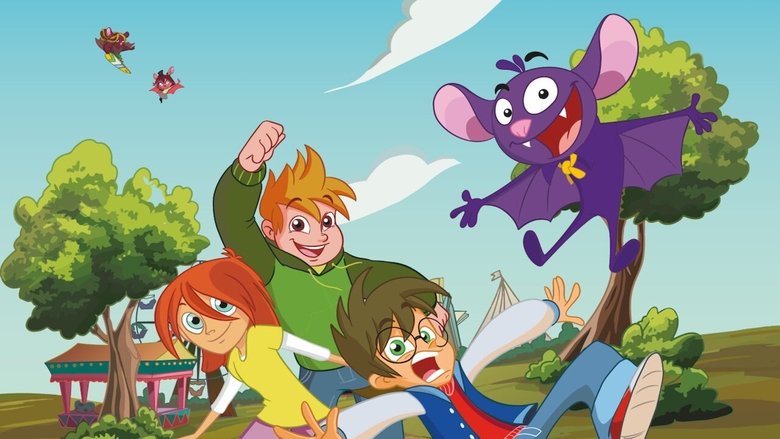 51LatestBat PatEpisode : 51
 52Trulli TalesEpisode : 52
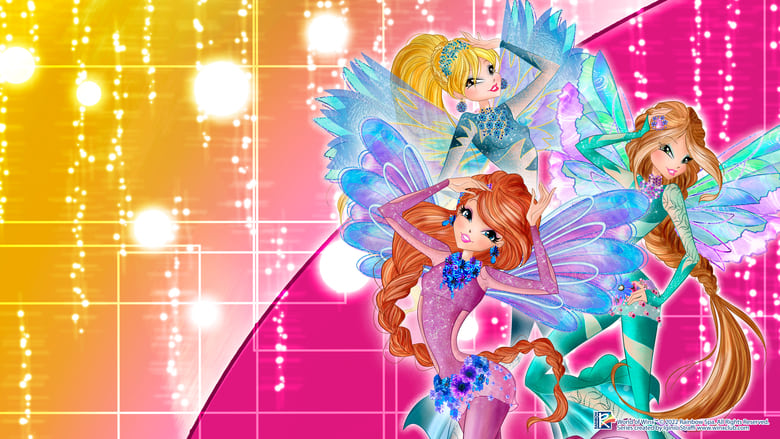 1World of WinxEpisode : 1
 39Extreme FootballEpisode : 39
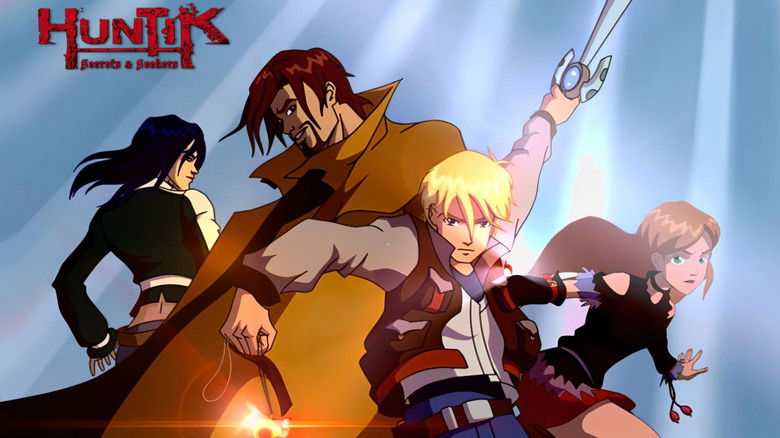 26Huntik: Secrets & SeekersEpisode : 26
 1We're All Like FinzyEpisode : 1
 1Angel's FriendsEpisode : 1
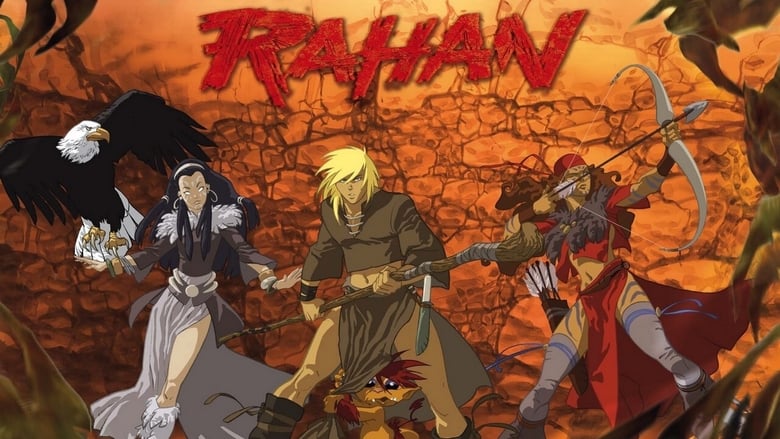 26RahanEpisode : 26
 50CattivikEpisode : 50
Films
More A Greyhound of a GirlFilm : 2023
 OrfeoFilm : 2025
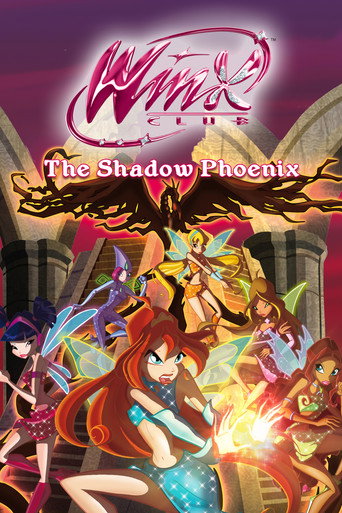 Winx Club - The Shadow PhoenixFilm : 2011
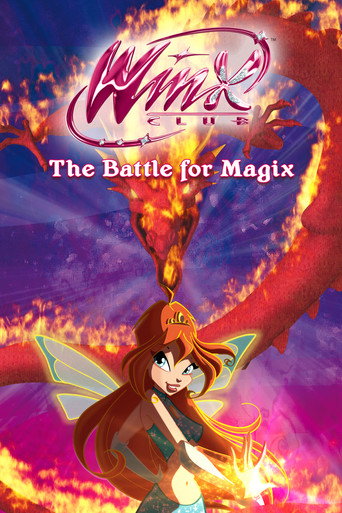 Winx Club - The Battle for MagixFilm : 2011
 CosmonautsFilm : 2026
 The SuperVipsFilm : 1968
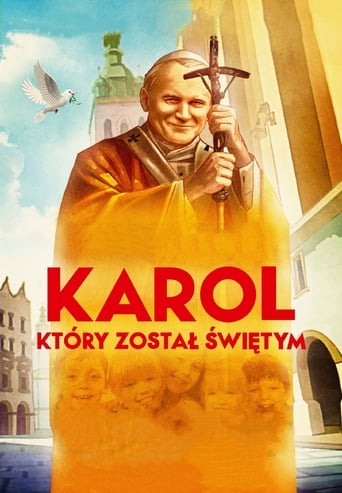 KarolFilm : 2014
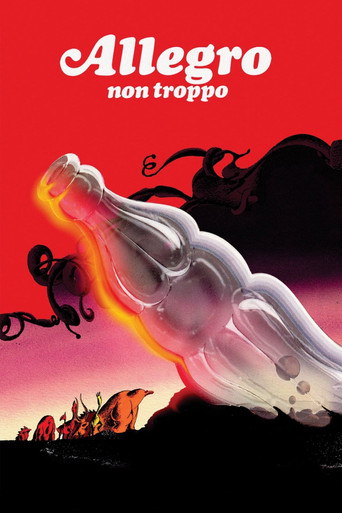 Allegro non troppoFilm : 1976
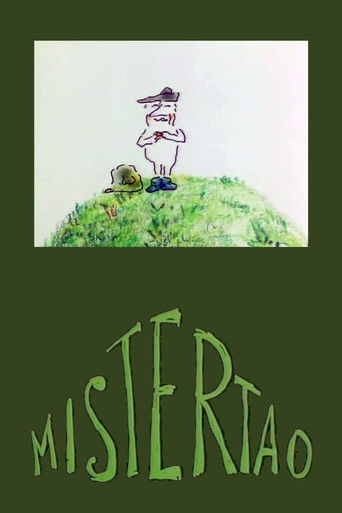 MistertaoFilm : 1988
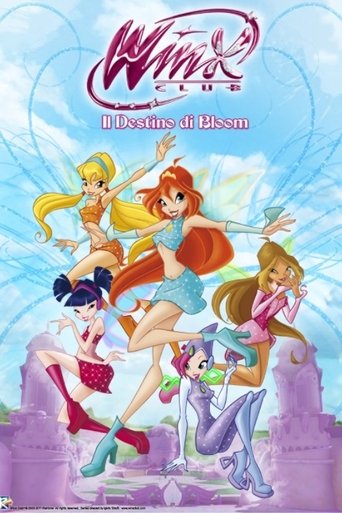 Winx Club - The Fate of BloomFilm : 2011
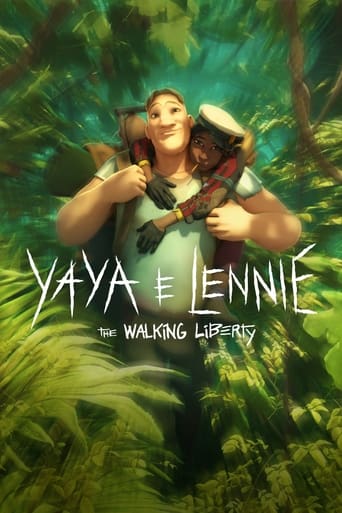 Yaya & Lennie - The Walking LibertyFilm : 2021
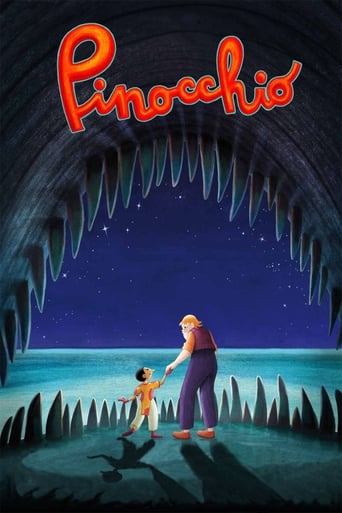 PinocchioFilm : 2012
Bruno Bozzetto
More

Auteurs
More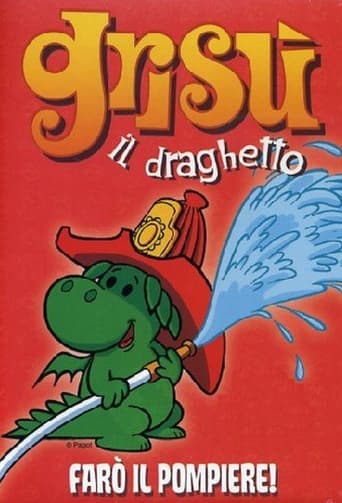 GrisùEpisode : 1
- A Greyhound of a GirlFilm : 2023
- OrfeoFilm : 2025
- Yaya & Lennie - The Walking LibertyFilm : 2021
- PinocchioFilm : 2012
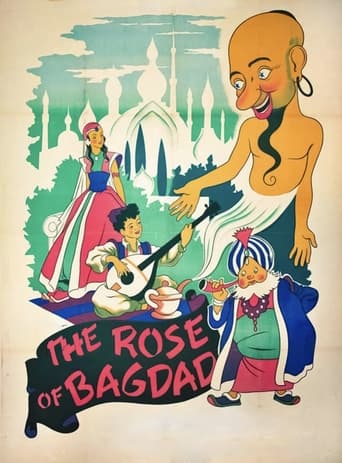 The Rose of BaghdadFilm : 1949
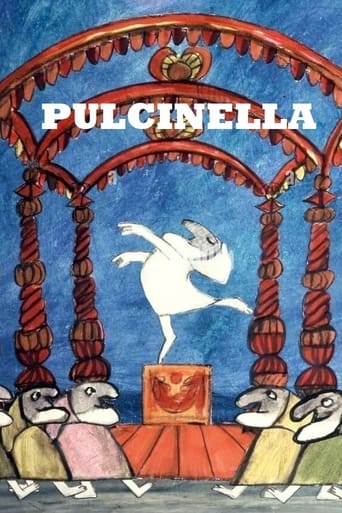 PulcinellaFilm : 1973
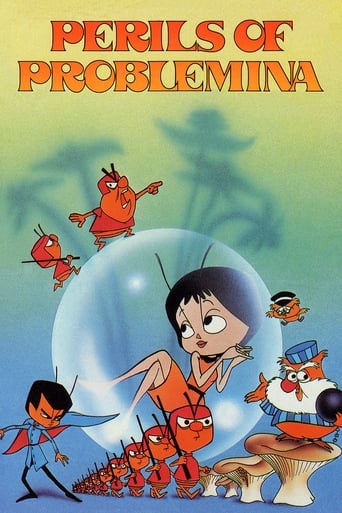 Perils of ProbleminaFilm : 1968
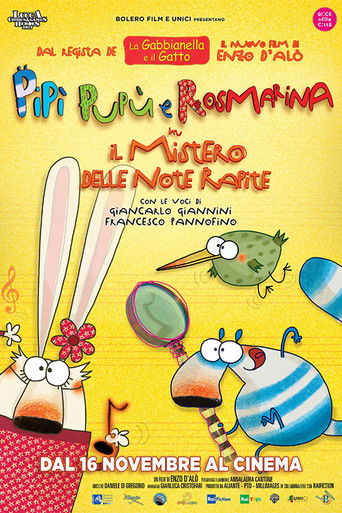 Pipi, Pupu & Rosemary: The Mystery of the Stolen NotesFilm : 2017
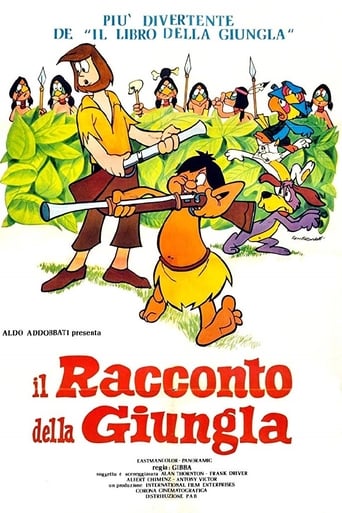 Robinson CrusoeFilm : 1974
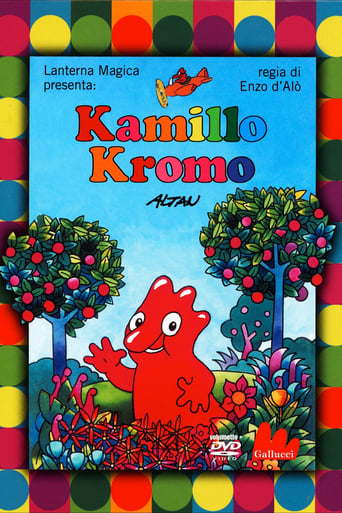 Kamillo KromoFilm : 1993
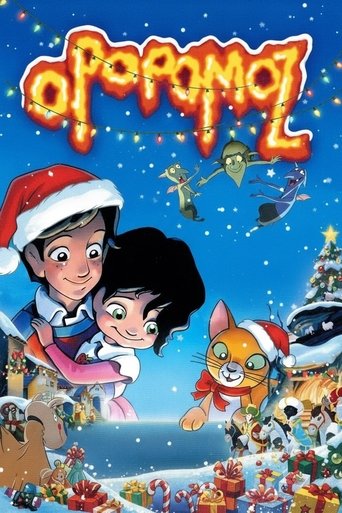 OpopomozFilm : 2003
Magic and adventure
More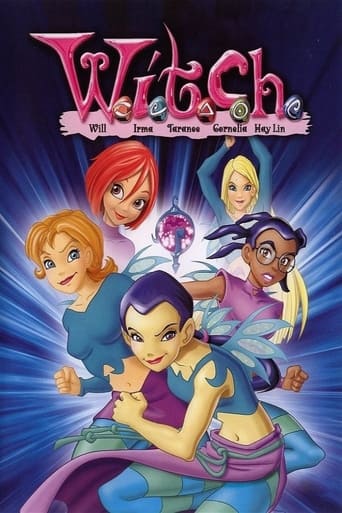 W.I.T.C.H.Episode : 26
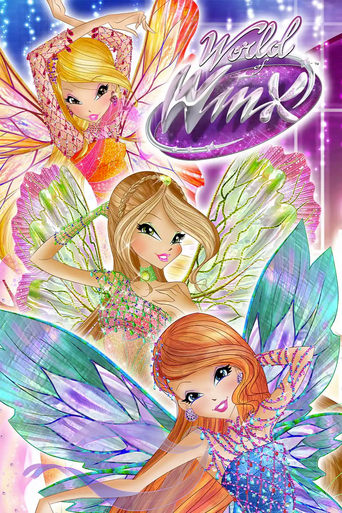 World of WinxEpisode : 1
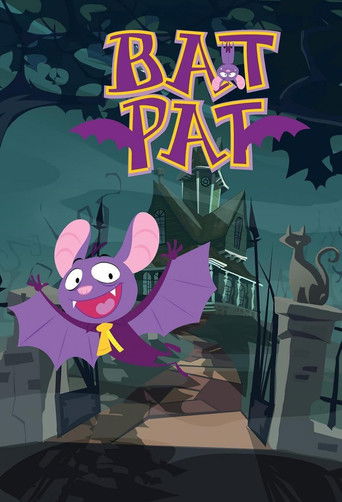 Bat PatEpisode : 51
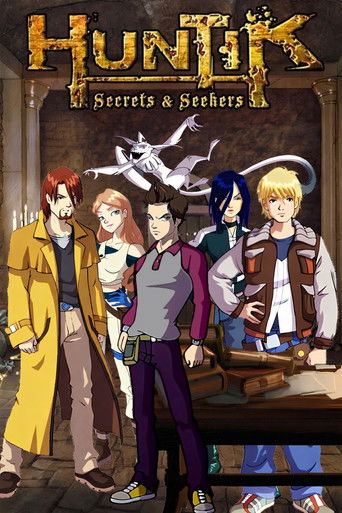 Huntik: Secrets & SeekersEpisode : 26
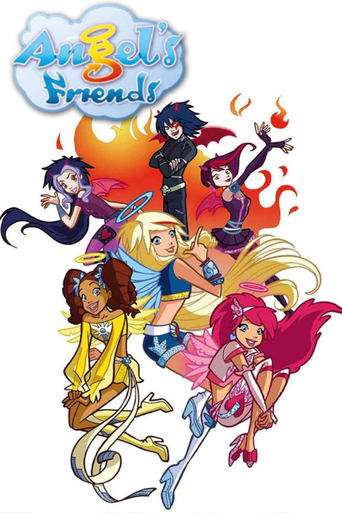 Angel's FriendsEpisode : 1
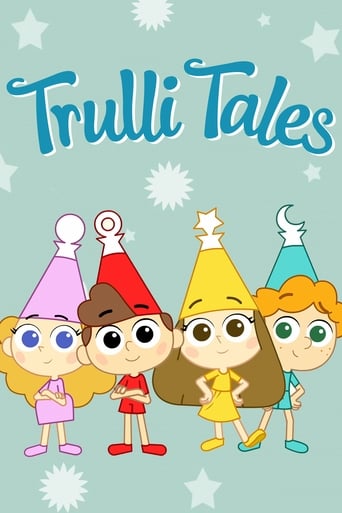 Trulli TalesEpisode : 52
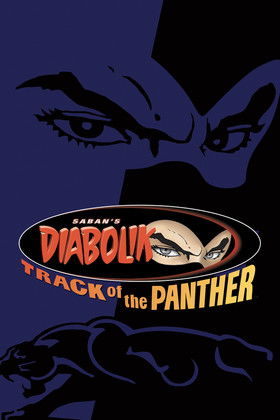 DiabolikEpisode : 5
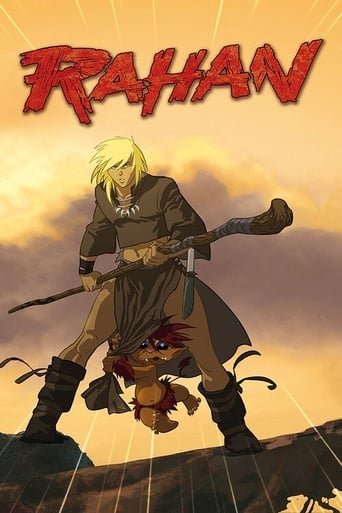 RahanEpisode : 26
- Winx Club - The Shadow PhoenixFilm : 2011
- Winx Club - The Battle for MagixFilm : 2011
- Winx Club - The Fate of BloomFilm : 2011
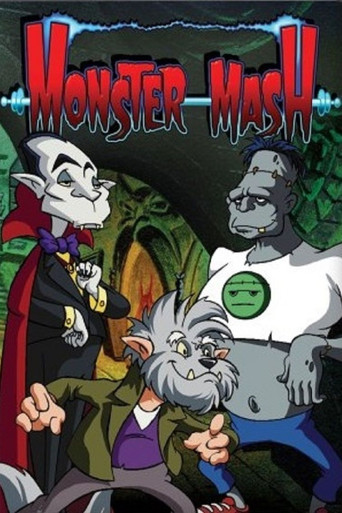 Monster MashFilm : 2000
Tales and legends
More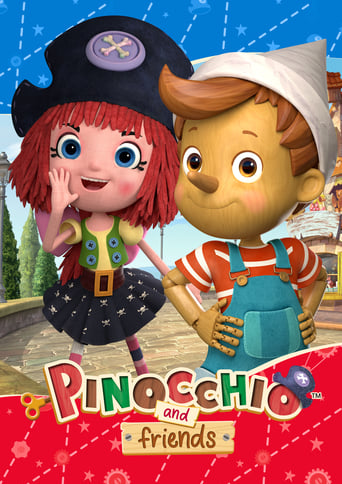 Pinocchio and FriendsEpisode : 1
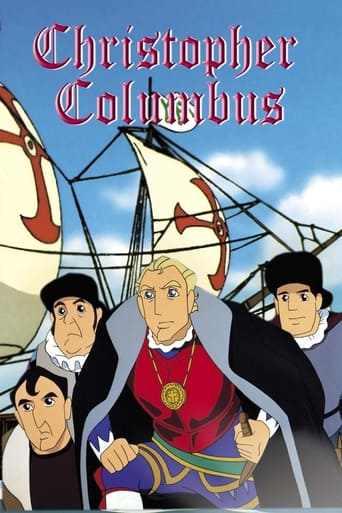 Christopher ColumbusEpisode : 23
- OrfeoFilm : 2025
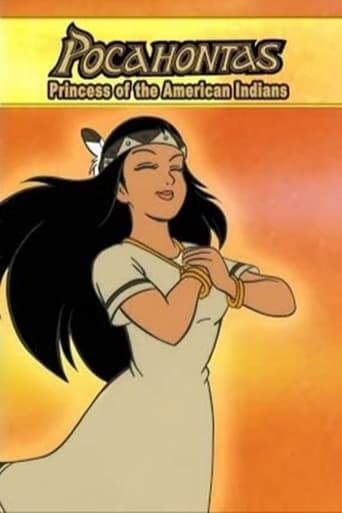 Pocahontas: Princess of the American IndiansEpisode : 26
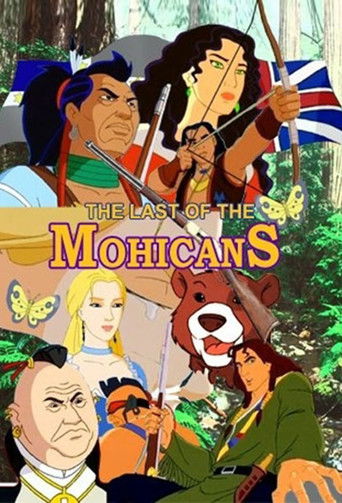 The Last of the MohicansEpisode : 26
- PinocchioFilm : 2012
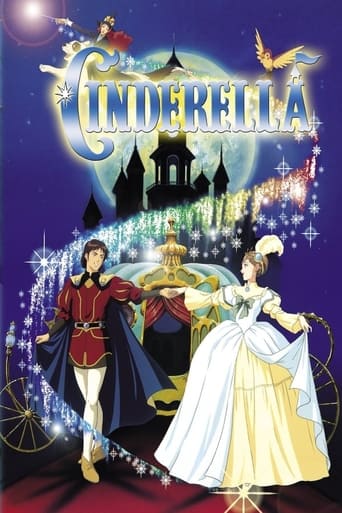 CinderellaFilm : 1995
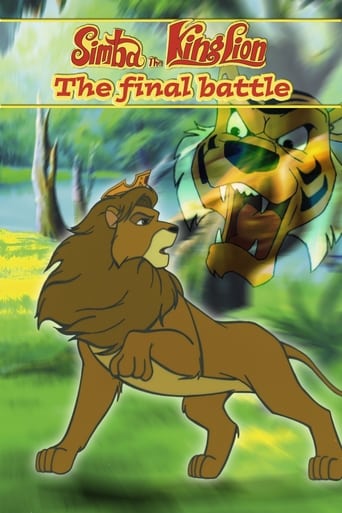 Simba, the King Lion: The Final BattleFilm : 1995
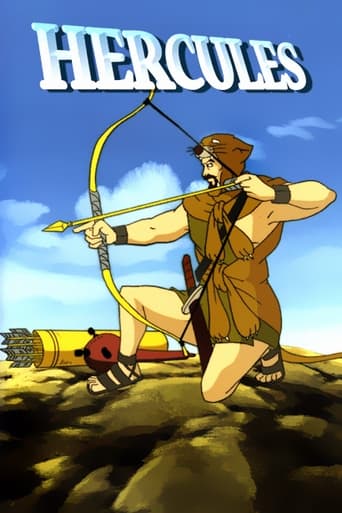 HerculesFilm : 1998
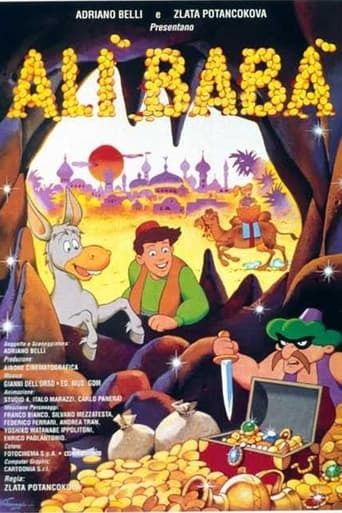 Alì BabàFilm : 1996
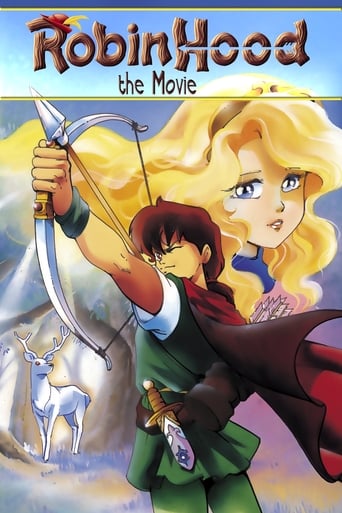 Robin HoodFilm : 1991
- The Rose of BaghdadFilm : 1949
From the guide
More- How to watch with AnimeBlkomFrom the search box to the screen.AnimeBlkom · Help
- Bruno BozzettoItaly's great comic animator.AnimeBlkom · Help
- The auteursLuzzati, Gianini, D'Alò, Toccafondo and Massi.AnimeBlkom · Help
- The pioneersItalian animation from 1936 to the 1960s.AnimeBlkom · Help
- Italian seriesFrom Grisù to Winx Club.AnimeBlkom · Help
- Tales and legendsPinocchio and the classic stories.AnimeBlkom · Help
- Languages and dubsItalian, English and more.AnimeBlkom · Help
- The official AnimeBlkom siteHow to recognise AnimeBlkom.AnimeBlkom · Help
- Is AnimeBlkom working?A quick check and easy fixes.AnimeBlkom · Help
- Where AnimeBlkom titles streamThe official services behind the guide.AnimeBlkom · Help
- Apps and devicesPhones, tablets, laptops and TVs.AnimeBlkom · Help
- Free Italian animationLegal ways to watch at zero cost.AnimeBlkom · Help
- Streaming safelyA short checklist.AnimeBlkom · Help
- Finding a titleSearch tips.AnimeBlkom · Help
- My ListKeeping titles for later.AnimeBlkom · Help
AnimeBlkom: Italian animation, from Bruno Bozzetto's Allegro non troppo and La Linea to Luzzati and Gianini, Enzo D'Alò, Winx Club and Lupo Alberto
Italy has given the world a remarkable tradition of animation. Its cartoni animati range from the elegant paper-cut operas of Emanuele Luzzati and Giulio Gianini to the sharp comedy of Bruno Bozzetto, from the single drawn line of Osvaldo Cavandoli to the glittering fairies of Winx Club. AnimeBlkom is a guide to this whole world of Italian animation, written in English for viewers everywhere.
Here you will find 186 films and series, from an early Pinocchio of 1936 and the first Italian colour features of 1949 to the newest films of 2026. There are Bozzetto's features and his Mr. Rossi; La Linea and the operatic shorts of Luzzati and Gianini; the comic heroes Lupo Alberto, Cocco Bill, Cattivik, Pimpa and Rat-Man; the family features of Enzo D'Alò; the worldwide hits of Rainbow, from Winx Club to Huntik; the many adaptations of Mondo TV; and a cabinet of short films by artists such as Gianluigi Toccafondo, Simone Massi and Roberto Catani.
Every title has its own page with the story, the studio, the director, the voice cast and, for a series, every episode with its air date, plus a Watch now button that opens it on JustWatch for the country you choose. This page explains how AnimeBlkom is laid out and then travels through the history of Italian animation, introducing its artists, studios and most rewarding films.
Why Italian animation
Italian animation is full of art and humour. Many of its great figures came from illustration, theatre design, comics and painting, and they brought those crafts with them. Luzzati was one of Italy's most celebrated set designers, Bozzetto a cartoonist with a gift for satire, Cavandoli a puppeteer and draughtsman, and the new generation includes painters who animate frame by frame on paper.
It is also a tradition deeply tied to Italian culture: to opera and classical music, to the commedia dell'arte and its masks, to the great comic strips of Milan and Bologna, and to the stories every Italian child knows, from Pinocchio to the knights of Calvino. Watching these films is a lively way to discover Italy's music, humour and history, and the tradition is very much alive, with new features and prize-winning short films arriving every year.
The AnimeBlkom design
AnimeBlkom has a clean, bright look. A white navigation bar carries the salmon wordmark, the main menu and a search box. Below it, a red band announces the guide with a small salmon button that leads to the about page. Section headings appear in salmon above thin grey rules, so the page reads clearly from top to bottom.
The home page opens with a short introduction and a featured row of poster cards with a soft salmon glow along the bottom edge, each with its title and its episode number or year. A jump-to-episode box follows: type a series with a season and an episode and you land on that episode at once. The Latest episodes grid shows the newest episodes of the series as wide picture cards with a red number badge, and a purple Latest badge marks the four most recent; a white Load more button opens the full list of series.
Further down come the shelves of films, the Bozzetto films, the auteurs, the magic and adventure series and the tales and legends, each in a grid of poster cards. A two-column list of guide pages follows, in the style of the blog list of the original site, then this article and a pale grey-green footer. On a phone, the menu folds into a button and the grids shrink to two or three columns.
How to use AnimeBlkom
The search box in the navigation bar is the quickest way to a title: type an English or an Italian name, or part of either, and results appear as you type. The jump-to-episode box on the home page works the same way, and understands episode codes such as Lupo Alberto S2E3. The Browse page lists the whole collection from A to Z.
To explore, open a shelf. Bruno Bozzetto gathers Bozzetto and his collaborator Guido Manuli; Auteurs gathers the artists of the short film and the art feature; Tales and legends gathers Pinocchio, Cinderella, Robin Hood and other classic stories; Magic and adventure gathers Winx Club and its cousins; Family films and Short films split the collection by length; and three era shelves follow the history from 1936 to today. Save anything you like with Add to My List, which keeps your place in each series and stays in your browser.
When you are ready to watch, open the title page, choose your country and press Watch now. JustWatch lists the streaming services, digital stores and free services that carry the title there. Italian animation often travels between broadcasters and platforms, so the services in Italy can look different from those in the United Kingdom or the Gulf; the button always shows the current offers for the country you choose.
The pioneers
Italian animation began in the age of silent cinema, but its first great flowering came after the Second World War. In 1949, two features reached Italian cinemas almost at the same time. The Rose of Baghdad, produced by Anton Gino Domeneghini in Milan, tells of a princess, a young musician and a wicked sheikh in an Arabian Nights setting, with rich colours and orchestral music. The Dynamite Brothers, made by Nino and Toni Pagot in Milan, follows three mischievous brothers through a series of comic adventures. Both are remembered as the first Italian animated features in colour.
The same period produced fine short films. The Last Shoeshine, made in 1948 by the animator known as Gibba, tells of a lonely shoeshine boy whose only friends are a dog and the stars, a gentle echo of the neorealist cinema of the time. Gibba later made the feature Robinson Crusoe. Earlier still, The Adventures of Pinocchio of 1936 was one of the first attempts to bring Collodi's puppet to the screen. The The pioneers help page gathers these films.
Bruno Bozzetto
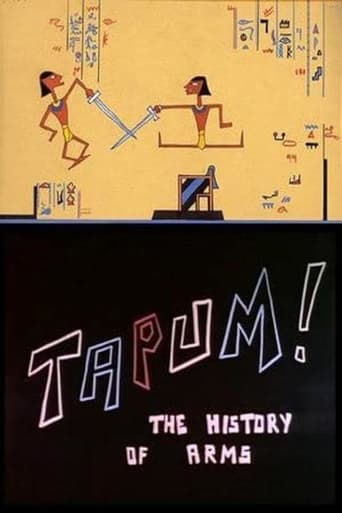
Bruno Bozzetto is the most famous name in Italian animation. Born in Milan in 1938, he made his first film, Tapum! The History of Weapons, at the age of twenty: a short, sharp satire that traces humanity's weapons from the club to the atomic bomb. His studio in Milan went on to make features, shorts and television series for more than half a century, and his humour, at once gentle and biting, won him admirers around the world.
His first feature, West and Soda, from 1965, parodies the Hollywood Western with a laconic stranger, a greedy villain and a hilarious showdown. The SuperVips, from 1968, follows a timid, bespectacled member of a family of superheroes, poking fun at the fashion for caped crusaders. His masterpiece, Allegro non troppo, from 1976, answers Disney's Fantasia with a series of animated episodes set to classical music, linked by comic live-action scenes of a harassed animator and his tyrannical producer; its Boléro sequence, in which life evolves from a dropped soft-drink bottle, is famous.
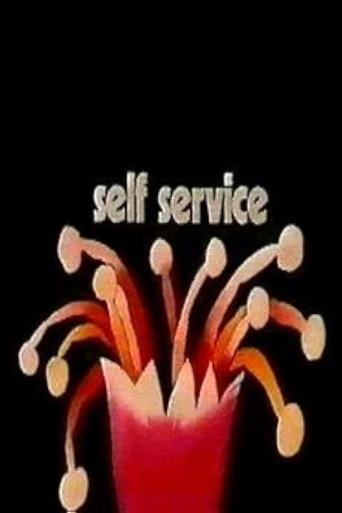
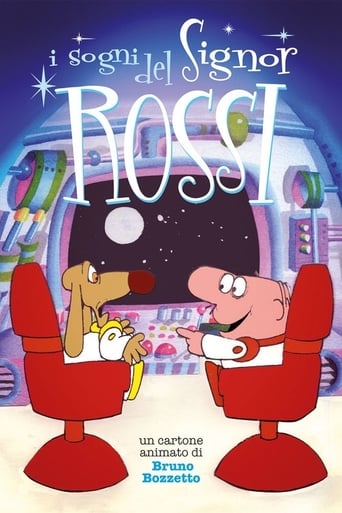
Bozzetto's best-loved character is Mr. Rossi, the small, hopeful everyman of modern Italy, always in search of a little happiness. He appears in a series of shorts and three features: Mr. Rossi Looks for Happiness, Mr. Rossi's Dreams and Mr. Rossi's Vacation. Bozzetto's short films are equally celebrated: Life in a Tin follows a man from box to box through his whole life, Ego explores the dreams of an ordinary man, Self Service shows mosquitoes devouring a landscape, Mistertao won the Golden Bear for short film in Berlin, Big Bang and Drop look at the future of the planet, and Europe & Italy became an internet favourite with its affectionate comparison of Italians and other Europeans.
Bozzetto's longtime collaborator Guido Manuli made S.O.S., a surprising short that mixes animation with a live-action eye, The Hero of Two Worlds, in which a boy meets Garibaldi, and Monster Mash. The Bruno Bozzetto shelf gathers their work.
La Linea
In 1969, the animator Osvaldo Cavandoli drew a little man made from a single white line on a coloured background. The man walks along the line, which is also the ground beneath his feet, until it suddenly ends or twists, and he turns to the animator's hand to complain in a comic, grumbling gibberish. La Linea became a sensation in Italy and then around the world, shown in more than forty countries. Because the man speaks an invented language, the series works for everyone, and its minimalist style still looks fresh today.
La Linea is a perfect example of how much Italian animators can do with simple means. A single line, a voice and a sense of timing are enough to create a character that millions of viewers recognise at a glance. The episodes are only a few minutes long, which makes them ideal for a quick laugh or a classroom discussion about how animation works.
Luzzati and Gianini
Emanuele Luzzati, a painter and one of Italy's greatest theatre designers, and Giulio Gianini, a cinematographer and animator, made some of the most beautiful films in Italian animation. Working together, they cut figures from coloured paper and moved them against painted backgrounds, setting their stories to the music of the great Italian operas.
The Thieving Magpie, set to Rossini's overture, tells of a king and his hunters who set out to shoot every bird, until a clever magpie turns the tables; it was nominated for an Oscar. An Italian in Algiers follows Rossini's comic opera about a pair of shipwrecked lovers in a prince's palace. Pulcinella, about the famous mask of Neapolitan comedy who dreams of escaping his nagging wife, also received an Oscar nomination. The Magic Flute retells Mozart's opera in their colourful style. Luzzati's playful, folk-art designs influenced generations of Italian illustrators, and these films remain a joyful way to introduce children to opera.
Enzo D'Alò
Enzo D'Alò, born in Naples, is the leading director of Italian family features. His short Kamillo Kromo tells how chameleons learned to change colour, and his features are known for their warmth, their music and their respect for children. Opopomoz, from 2003, is set in Naples on Christmas Eve: a young boy who feels jealous of his soon-to-be-born brother is tempted by three little devils who want to stop the birth of the Christ child, a lively tale full of Neapolitan music and humour.
D'Alò's Pinocchio, from 2012, retells Collodi's classic with designs by the illustrator Lorenzo Mattotti and music by the singer-songwriter Lucio Dalla. Pipi, Pupu & Rosemary: The Mystery of the Stolen Notes is a cheerful adventure for young children, and A Greyhound of a Girl, from 2023, adapts Roddy Doyle's novel about a twelve-year-old girl in Dublin, her grandmother and four generations of women, with tenderness and humour.
The art of the short film
Italy has a strong tradition of short art films, and the Short films shelf gathers more than sixty of them. Gianluigi Toccafondo paints over photographed images, creating fluid, smudged figures that seem to melt and re-form; his Pinocchio follows the puppet through a dreamlike landscape, The Trail of the Pig retells the life of a pig as legend, and The Voice of the Sirens dives beneath the sea. Simone Massi draws with oil pastels on paper and scratches light out of the darkness; his short The Memories of Dogs and his feature Nowhere, which follows three children across three eras of Italian history, show his poetic style.
Roberto Catani makes delicate, surreal shorts such as The Festival, The Tightrope Walker, Absent Minded and The Puppet and the Whale. Ursula Ferrara's The Match and Manfredo Manfredi's Clouds are lyrical experiments, and the street artist Blu's Walking and COMBO animate huge painted figures across the walls of real buildings. Newer shorts such as Merlot, Framed, The Town of Forgotten Things, Graziano and the Giraffe and Pentola show the energy of today's young animators.
Comic heroes on screen
Italy's great comic strips have produced many animated heroes. Lupo Alberto, created by the cartoonist Silver in 1973, is a blue wolf in love with Marta, a hen who lives on the McKenzie farm, guarded by the formidable sheepdog Mosè. Every attempt Alberto makes to see his beloved ends in comic disaster, and the series of short episodes became a favourite of Italian television. Cattivik, another character linked to Silver, is a clumsy, soot-black villain whose crimes always go wrong.
Cocco Bill, created by the great Benito Jacovitti, is a hot-tempered cowboy who prefers camomile tea to whisky and wins every gunfight with improbable skill. Diabolik, from the famous comic by the sisters Angela and Luciana Giussani, follows the elegant master thief in an animated series of 2000. Rat-Man, from Leo Ortolani's parody comic, follows a hapless masked hero in a series of comic adventures.
For the youngest viewers, Francesco Tullio Altan's Pimpa, a white puppy with red spots who lives with her friend Armando, appears in gentle films such as Pimpa - Una giornata speciale, Pimpa - Storia di Natale and Pimpa e Olivia Paperina. Altan's clear, friendly drawings have delighted Italian children since the 1970s. Grisù, created by the Pagot brothers in 1975, is a little dragon whose dream is to become a firefighter, a lovely irony that young viewers adore.
Rainbow and the worldwide hits
In 1995, Iginio Straffi founded the studio Rainbow in Loreto, in the Marche region, and turned it into one of the most successful animation companies in Europe. Its greatest creation, Winx Club, follows Bloom, a girl from Earth who discovers she is a fairy, and her friends at the Alfea school for fairies, battling the witches known as the Trix. The series has been shown in well over a hundred countries. On AnimeBlkom you can find the television films Winx Club - The Fate of Bloom, Winx Club - Revenge of the Trix, Winx Club - The Battle for Magix and Winx Club - The Shadow Phoenix, along with the Netflix series World of Winx.
Rainbow also made Huntik: Secrets & Seekers, an adventure series about young seekers who use ancient amulets to summon magical creatures, and its films, series and toys are known worldwide. Other Italian creations with global reach include W.I.T.C.H., based on the Disney Italia comic by Elisabetta Gnone about five girls who guard the boundary between worlds, Angel's Friends, about young angels and devils at school on Earth, and the Gormiti, the elemental warriors of the Giochi Preziosi toy line, seen in Gormiti Legends and its films. The Magic and adventure shelf gathers them all.
Mondo TV and the classic tales
Founded in Rome by Orlando Corradi, Mondo TV became one of Europe's busiest producers of animated films and series, often working with studios in Asia. Its catalogue is full of classic stories retold for children: Robin Hood, made with a Japanese partner, and its sequels Robin Hood & the Invincible Knight, Robin Hood III: Enemies Forever and Robin Hood IV, King's Return; Cinderella and Cinderella and the Prince Charles; Hercules; Quasimodo: The Hunchback of NotreDame; Pocahontas: Princess of the American Indians; Mu-Lan; and the adventure series Sandokan, the tiger of Malysia and The Last of the Mohicans.
Mondo TV also made The Legend of the Titanic, a cheerful fantasy in which a family of mice tells its own version of the great liner's voyage, and its sequel In Search of the Titanic, along with animated lives of religious figures such as Padre Pio, Madre Teresa and Karol, about Pope John Paul II. Christopher Columbus, a series made with Japanese animators, follows the navigator from his childhood in Genoa to his voyages across the Atlantic. These films were broadcast widely and remain popular with young children around the world.
Pinocchio on screen
Carlo Collodi's The Adventures of Pinocchio, first published in 1883, is perhaps the most Italian of all stories, and Italian animators have returned to it again and again. On AnimeBlkom you can follow the puppet across almost ninety years: the early The Adventures of Pinocchio of 1936; Giuliano Cenci's Pinocchio of 1972, a faithful and handsome feature that stays close to Collodi's text; Gianluigi Toccafondo's dreamlike Pinocchio of 1999; Mondo TV's Welcome Back Pinocchio; Enzo D'Alò's Pinocchio of 2012; and the cheerful series Pinocchio and Friends.
Watching several versions side by side is a fascinating way to see how artists interpret the same story: the 1972 film paints the Tuscan countryside of the novel, Toccafondo turns it into a flowing painting, and D'Alò fills it with colour and song. Each version also shows how much Collodi's tale, with its talking cricket, its blue-haired fairy and its belly of the great fish, belongs to the imagination of Italy.
Family features
The Family films shelf gathers sixty feature-length films. Besides D'Alò's films and the Mondo TV classics, it includes Leo the Lion, about a young lion who prefers vegetables to meat, Iqbal, a Tale of a Fearless Child, inspired by the life of Iqbal Masih, a Pakistani boy who stood up against child labour, and Trash: La Leggenda Della Piramide Magica, in which a group of discarded objects in a rubbish dump set out on a quest.
The Pet Pals films by Gruppo Alcuni in Treviso, Pet Pals and Marco Polo's Code and Pet Pals in Windland, follow a group of animal friends on lively adventures, and The Walrus Who Wanted Too Much pits young heroes against a greedy villain. Yaya & Lennie - The Walking Liberty, by Alessandro Rak of the Neapolitan studio Mad Entertainment, is an imaginative road movie set in a future jungle that has swallowed Italy, about a free-spirited girl and her gentle giant friend. Bartali's Bicycle draws on the true story of the cycling champion Gino Bartali, who helped people in danger during the war.
Italian magic for young children
A lively group of family films made in the 2000s fills the shelves with magic and comedy for younger viewers. I Magotti e la Pentola Magica, I Lunes e la sfera di Lasifer, I Roteò e la magia dello specchio, Gli Animotosi nella terra di Nondove and I magicanti e i tre elementi follow little magical peoples on quests to protect their worlds. The Lampaclimas and the Mysterious Island, Gli Smile and Go e il braciere bifuoco, Gli Skatenini e le dune dorate and La Pallastrike sull'Isola di Pasqua add adventures in far-off places, many of them made by the director Maurizio Forestieri.
These short features are bright, simple and full of songs, ideal for young children who are discovering cinema. They also show the variety of Italy's smaller studios, which have kept producing films for children year after year.
Lives and faith
A distinctive group of Italian animated films tells the lives of religious figures for children. Padre Pio follows the Capuchin friar from his childhood in Pietrelcina, Madre Teresa tells the story of Mother Teresa of Calcutta, and Karol follows the life of Pope John Paul II. Gesù - Un regno senza confini retells the life of Jesus, and In the Beginning: The Bible Stories, an Italian and Japanese coproduction directed by Osamu Dezaki, adapts the stories of the Old Testament. Hanukkah - La festa delle luci tells a holiday story of a pastry shop in postwar Rome. These films are often shown in schools and parishes, and they offer families a gentle way to talk about history and faith.
Through the eras
The Before 1980 shelf gathers the pioneers and the golden age of the art short: the 1936 Pinocchio, the 1949 features, Gibba's shorts, Topo Gigio, Bozzetto's early features and shorts, the Luzzati and Gianini operas, Pino Zac's The Nonexistent Knight, after Italo Calvino's novel, Roberto Gavioli's Perils of Problemina, about two armies of ants, Cenci's Pinocchio, La Linea and Grisù.
The 1980 to 1999 shelf follows Mr. Rossi's later adventures, Bozzetto's prize-winning shorts, Kamillo Kromo, Toccafondo's first films, Lupo Alberto, the Mondo TV classics and The Legend of the Titanic. The Since 2000 shelf, the largest, holds Opopomoz, Winx Club, Huntik, W.I.T.C.H., the family adventures of the 2000s, D'Alò's later films, Yaya and Lennie and the short films of a new generation. Moving from one shelf to the next shows how Italian animation has grown from a few pioneers into a thriving industry.
Topo Gigio
One of Italy's most famous characters is a puppet rather than a drawing. Topo Gigio, a little mouse with big ears and a sweet voice, was created by Maria Perego in 1959 and became a television star in Italy, Latin America, Spain and the United States, where he appeared regularly on The Ed Sullivan Show. The Magic World of Topo Gigio, from 1961, brought him to the cinema in a gentle fantasy adventure. His charm shows how Italian puppetry and animation have always shared the same playful spirit.
Learning Italian with animation
Animation is a friendly way to learn Italian. Start with films for young children, such as the Pimpa films or the Pet Pals adventures, whose simple dialogue is easy to follow, then move to family features such as Opopomoz and Pinocchio. The opera films of Luzzati and Gianini are a delightful way to meet Italian music, and Bozzetto's films are full of everyday Italian humour.
A good method is to watch first with subtitles in your own language, then with Italian subtitles and finally with Italian audio alone. The Italian title on each film page is a useful first word to learn, and the songs from Opopomoz or the Winx Club films are easy to remember.
Routes through the collection
New to Italian animation? Try one of these routes. For a first evening, watch Allegro non troppo, then a few episodes of La Linea. For family time, choose Opopomoz, Pinocchio and A Greyhound of a Girl. For a short-film evening, pick The Thieving Magpie, Pulcinella, Mistertao, Europe & Italy and The Voice of the Sirens.
For classic comedy, try West and Soda, The SuperVips and Mr. Rossi Looks for Happiness. For young fans of magic, pick Winx Club - The Fate of Bloom, Huntik: Secrets & Seekers and W.I.T.C.H.. For the pioneers, watch The Rose of Baghdad and The Dynamite Brothers. Each route mixes eras and styles, so you will see how varied Italian animation is.
A short history
Italian animation has a long and surprising history. In the silent era, artists in Turin and Rome experimented with drawn and puppet films, and in the 1930s several studios in Milan and Rome made short cartoons and advertising films. The great breakthrough came in 1949 with the first two colour features, made against great odds in the difficult years after the war.
The 1950s and 1960s were the golden age of the Carosello, a nightly television programme of short advertising films that ran from 1957 to 1977. Almost every Italian animator of the period worked on Carosello, inventing characters such as Calimero the black chick, the little man of La Linea, which began as an advertisement, and dozens of others. This steady work allowed studios such as the Pagot brothers' and Bruno Bozzetto's to grow, and it trained a whole generation of artists.
From the 1960s to the 1980s, Italian auteurs won prizes at festivals around the world: Bozzetto with his satirical shorts and features, Luzzati and Gianini with their operas, and many others. The 1990s and 2000s brought large production companies such as Mondo TV and Rainbow, which made series for an international market, and family features by Enzo D'Alò and others reached cinemas across Europe. Today, Italian animation combines a thriving industry of series and features with an adventurous scene of short films, many made by artists who studied at the Centro Sperimentale di Cinematografia in Turin or the art academies of Italy's great cities.
The spirit of Carosello
The Carosello years left a lasting mark on Italian animation. Each evening, Italian families gathered in front of the television for a few minutes of little stories, songs and jokes, and children were sent to bed after it ended. The animated characters of Carosello became national celebrities, and their catchphrases entered everyday language.
Many of the qualities of later Italian animation come from this school: short, sharp storytelling, a love of simple graphic ideas, memorable music and gentle humour. La Linea is the most famous example on AnimeBlkom, but the same spirit runs through Bozzetto's films, the Pagot brothers' Grisù and the comic heroes of the 1970s and 1980s.
Music and opera
Music is at the heart of Italian animation. Allegro non troppo sets its episodes to Debussy, Dvořák, Ravel, Sibelius, Vivaldi and Stravinsky; the Luzzati and Gianini films are built on Rossini and Mozart; Opopomoz is full of Neapolitan song; and Pinocchio of 2012 carries the music of Lucio Dalla. Even the gibberish of La Linea is a kind of music, rising and falling with the character's moods.
This love of music makes many of these films a natural introduction to classical music and opera for children. Watching The Thieving Magpie and then listening to Rossini's full overture, or watching the Boléro episode of Allegro non troppo and then hearing Ravel's piece in a concert hall, can open a whole new world for a young viewer.
A journey through Italian cities
Italian animation is a map of Italy. Milan, the home of Bozzetto and the Pagot brothers, has long been the capital of Italian animation and comics, a busy city of studios, publishers and advertising agencies. Genoa, Luzzati's home, gives his films their love of the theatre and the sea. Naples, with its music and its traditions, is the setting of Opopomoz and the home of Mad Entertainment, the studio of Yaya and Lennie.
Rome is the home of Mondo TV and many voice studios; Turin hosts the animation school of the Centro Sperimentale di Cinematografia; Treviso is the base of Gruppo Alcuni and its Pet Pals; and Loreto, a small town in the Marche, became the unlikely home of Winx Club. Watching the films with a map of Italy close at hand is a fine way to discover the country, from the Alps to the islands, one story at a time.
Each city gives its films a particular flavour, from Milanese irony to Neapolitan warmth, and following them across the map shows how varied Italy really is.
Smaller towns play their part too: festivals in seaside resorts, schools in provincial cities and family workshops in the hills all contribute to the rich variety of Italian animation.
Studios to know
A handful of studios appear again and again in the collection. Bruno Bozzetto's studio in Milan made his features, shorts and series, and trained many younger animators. The Pagot brothers' studio, also in Milan, made The Dynamite Brothers, Grisù and many Carosello films. Gibba worked in Liguria and Rome, and Luzzati and Gianini created their films with a small team in close collaboration.
Mondo TV, founded in Rome, produced a vast catalogue of classic tales, while Rainbow, founded in Loreto, created Winx Club and Huntik and grew into an international company. Gruppo Alcuni in Treviso made the Pet Pals, Lanterna Magica in Turin worked with Enzo D'Alò, and Mad Entertainment in Naples made Yaya and Lennie. Short films often come from independent artists and from schools such as the Centro Sperimentale di Cinematografia's animation department in Turin. Following a studio from one title to the next is a fine way to discover new favourites.
Festivals and prizes
Italian animation is celebrated at festivals at home and abroad. Cartoons on the Bay, long held on the Amalfi coast and later in Pescara, brought together producers of television animation from around the world, and festivals such as Venice, Annecy and Berlin have honoured Italian short films and features. Bozzetto's Mistertao won the Golden Bear in Berlin, Luzzati and Gianini were nominated twice for the Oscar, and new Italian shorts win prizes every year.
The Italian film academy's David di Donatello awards include animated films among their honours, and many Italian animators also receive awards for illustration and comics, a reminder of how closely these arts are linked in Italy. Following the festival programmes is a good way to discover the newest short films, many of which later appear on festival channels for free.
An Italian film evening
Italian animation makes a fine evening for friends or family. Choose a theme: a director, a comic hero, an opera or a fairy tale. Begin with a few minutes of La Linea or a Luzzati and Gianini short, follow with a feature and end with a Mr. Rossi short. An opera evening might pair The Thieving Magpie with The Magic Flute; a Christmas evening might begin with Opopomoz and finish with a Pimpa Christmas story.
Add a touch of Italy to make it special: a homemade pizza, a plate of pasta or a gelato, and perhaps a map to find Naples, Milan, Genoa and the other cities where the films were made. Let each person choose a film in turn, and keep the programme in My List.
The Italian look
Is there an Italian style of animation? Italian films are remarkably varied, but a few qualities appear again and again. The first is a love of design: Italian animators often think like illustrators and set designers, building each frame like a picture, from the paper-cut theatres of Luzzati to the painted dreamscapes of Toccafondo and the clean shapes of La Linea. The second is humour, especially a gentle, ironic humour that laughs at everyday life, from Mr. Rossi's disappointments to Lupo Alberto's hopeless romance.
The third is music: Italian films often move to the rhythm of a score, whether it is opera, classical music or a pop song. The fourth is a strong sense of place, with stories set in Naples, Milan, Tuscany, the Alps and the Mediterranean. Together these qualities give Italian animation a warmth and elegance that viewers around the world recognise.
The newest generation adds its own ideas. Young directors mix techniques freely, combining drawings with photographs, painting with computer animation and puppets with live action. Many of them study abroad or work with partners in France, Switzerland, Belgium and Ireland, so Italian animation today is both deeply rooted in its own culture and open to the world.
Italian voices
Italy has one of the world's great dubbing traditions, and generations of Italian children grew up hearing foreign cartoons in beautifully performed Italian versions. The same skilled voice actors bring Italy's own animated characters to life, and many Italian films and series have been dubbed into dozens of other languages in turn.
The result is a rich exchange: Winx Club and La Linea travelled from Italy to the world, while Italian audiences enjoy cartoons from everywhere in their own language. When you choose a title on AnimeBlkom, the Watch now page shows which audio and subtitle versions each service offers in your country.
The world of fumetti
Italy is one of the great comic-book nations, and its fumetti are closely linked to its animation. Milan's weekly magazines, the long-running Topolino with its Italian Disney artists, Bonelli's adventure series and the satirical strips of the 1970s all fed animators with characters and ideas. Many animators began as cartoonists, and many cartoonists tried their hand at animation.
The animated heroes on AnimeBlkom show this link clearly. Lupo Alberto, Cattivik, Cocco Bill, Diabolik, Rat-Man and Pimpa all began on the printed page, and W.I.T.C.H. began in the Italian Disney magazines before becoming a series watched around the world. Reading the comics alongside the cartoons is a lovely way to explore Italian humour, and many libraries and newsstands still carry these characters today.
Holidays and seasons
Several films suit special times of the year. At Christmas, Opopomoz brings the Neapolitan tradition of the presepe, the nativity scene, to life, and the Pimpa Christmas story is ideal for little ones. On the sixth of January, Italian children await the Befana, the kindly old witch who brings sweets to good children and coal to naughty ones; a family film evening is a lovely way to end the holidays. In spring, the bright adventures of the Pet Pals and the Winx Club suit long afternoons, and summer evenings are perfect for Bozzetto's comedies and Mr. Rossi's holidays.
Animation in the classroom
Italian animation is a valuable resource for teachers. La Linea is a perfect starting point for a lesson on how animation works, since a single line shows how movement and character are created. The Luzzati and Gianini operas introduce music and theatre, Tapum! and Big Bang invite discussion about peace and the environment, and the Pinocchio films can accompany a reading of Collodi's novel.
The religious and historical films, from Padre Pio to The Hero of Two Worlds, can introduce periods and figures of Italian history, and Iqbal opens a conversation about children's rights around the world. Short films are especially useful in class, because a whole film can be watched and discussed within a single lesson.
Make your own animation
Watching Italian animation often inspires children to make their own, and it is easier than it sounds. Try a La Linea game: draw a single line across a long strip of paper and invent a little figure who walks along it, meeting surprises at every bend. A flip book, drawn in the corner of a notebook, shows how a sequence of drawings creates movement.
For cut-out animation in the style of Luzzati and Gianini, cut figures from coloured paper, place them on a painted background and photograph them with a phone after each small movement, then play the pictures back with a free app. Add music from an opera overture and you have a little film of your own, perfect for a family screening.
Animation across generations
Italian families often share their favourite cartoons across generations. Grandparents remember the Carosello evenings and the first Bozzetto films, parents remember Lupo Alberto, Grisù and the Pimpa, and children today love the Winx Club and Huntik. Watching these films together is a lovely way to share memories and to discover how much the art has changed over the years.
For families who live abroad, Italian animation is also a gentle way to keep the language and culture alive at home. A film from Naples or Milan can spark conversations about grandparents, recipes and places to visit, and help children feel close to their roots. The Watch now button shows where to watch each title wherever the family lives today.
All the shelves
AnimeBlkom has thirteen shelves. The Catalogue holds every title, and Series and Films split it by format. Bruno Bozzetto and Auteurs gather the great artists, Tales and legends the classic stories and Magic and adventure the fantasy series and films. Family films and Short films split the collection by length, three shelves follow the eras and Top rated lists the titles viewers rate most highly.
Each shelf shows its titles as poster cards with the episode number or year beneath, the same as the home page, so moving between shelves feels familiar.
The help pages
Fifteen help pages answer the common questions. How to watch explains the steps from search to screen. Bruno Bozzetto, The auteurs, The pioneers, Italian series and Tales and legends introduce the collection. Languages and dubs, Finding a title and My List cover everyday use, while Apps and devices, Free Italian animation, Where AnimeBlkom titles stream, Streaming safely, Is AnimeBlkom working? and The official AnimeBlkom site handle the practical side.
How the collection is chosen
Every title on AnimeBlkom is chosen by hand. The editors start from animated films and series made in Italy or by Italian studios, read each story and keep the collection focused on family films, comedies, classics, art films and series that a wide audience can enjoy. The collection is also designed to complement the other guides in the same family, so it gathers titles those guides leave free.
Information on each page comes from TMDB, the community database of film and television, and grows as contributors add episodes, posters and cast lists.
Watching today
Italian animation reaches viewers through many doors. Global streaming platforms carry Winx Club and other recent series; Italian services and the public broadcaster's streaming site hold many classics and children's series; digital stores sell and rent many of the features; and festival channels share prize-winning shorts. Some older films appear on free services with adverts.
Rights are agreed country by country, so the services in Italy may differ from those in the Gulf, the United Kingdom or the Americas. Choose your country, press Watch now and JustWatch shows the offers there. Watching on official services supports the artists and studios who keep Italian animation alive.
Welcome
Thank you for visiting AnimeBlkom. Whether you grew up with La Linea and Lupo Alberto, love the art of Bozzetto and Luzzati or are discovering Italian animation for the first time, there is a story here for you. Search a title, follow a shelf, keep your finds in My List and come back whenever the Latest episodes grid shows something new.
Questions
What is AnimeBlkom?
AnimeBlkom is a guide to Italian animation: 186 films and series from the 1936 Pinocchio to Winx Club and the short films of today, with a Watch now button for each title.
What does cartoni animati mean?
Cartoni animati is the Italian term for cartoons, literally animated drawings.
Who is Bruno Bozzetto?
Bruno Bozzetto is a Milanese animator famous for West and Soda, The SuperVips, Allegro non troppo, the Mr. Rossi films and many prize-winning short films.
What is La Linea?
La Linea is Osvaldo Cavandoli's series about a little man made from a single drawn line, who grumbles in an invented language whenever the line changes beneath his feet.
Which titles suit young children?
The Pimpa films, Grisù, the Pet Pals films, Opopomoz and the Winx Club films are ideal for young children.
Are English versions available?
Many films and series have English dubs or subtitles. The Watch now page shows the options for your country.
How does the Watch now button work?
Choose your country and press Watch now. JustWatch opens with the subscription, rental, purchase and free services that carry the title there.
How do I save titles for later?
Press Add to My List on any page. My List lives in your browser and can be exported to a small file for another device.
Can I search in Italian?
Yes. Type the Italian or the English title, or part of either.